The Impact of AI Innovations on the Future of the Janitorial Industry

The janitorial industry is undergoing a significant transformation thanks to advances in artificial intelligence (AI). What was once a labor-intensive, routine-driven sector is now embracing technology that improves efficiency, safety, and quality. This shift is not just about replacing manual work but enhancing how cleaning services are delivered and managed.

AI is changing the janitorial industry in practical ways that benefit businesses, workers, and clients alike. This post explores how AI innovations are reshaping janitorial work, the specific technologies involved, and what the future holds for this essential service.
How AI Improves Cleaning Efficiency
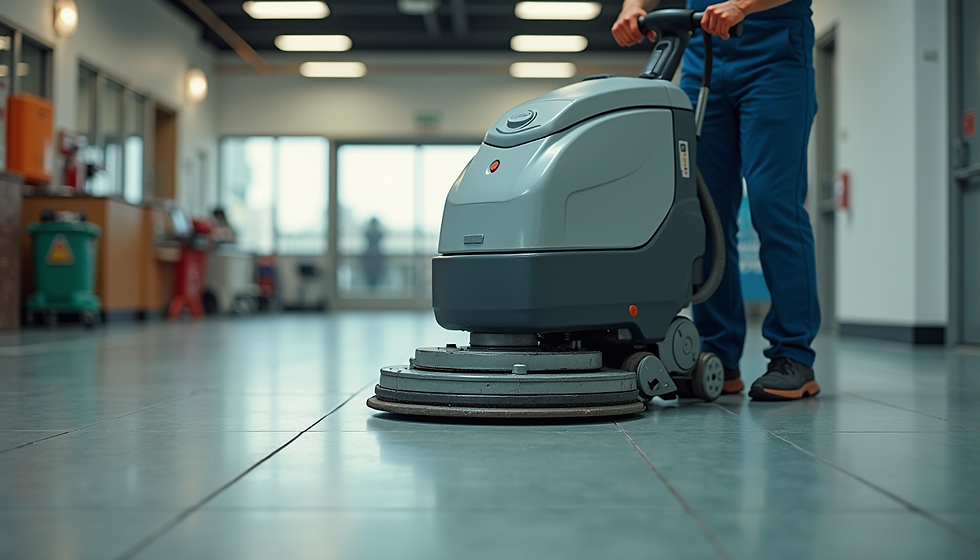
One of the most visible impacts of AI in janitorial services is the introduction of autonomous cleaning machines. Robots equipped with AI can navigate complex environments, clean floors, and sanitize surfaces without constant human supervision. These machines use sensors and cameras to detect obstacles and adjust their cleaning paths in real time.
For example, autonomous floor scrubbers can cover large areas in commercial buildings faster than human workers, reducing labor costs and improving consistency. AI algorithms also help optimize cleaning schedules by analyzing foot traffic patterns and identifying high-use areas that need more frequent attention.
This technology allows janitorial teams to focus on tasks that require human judgment, such as detailed cleaning or maintenance, while robots handle repetitive chores.
Enhancing Quality Control with AI
Maintaining high cleaning standards is critical in many settings, especially healthcare and food service. AI-powered systems now assist supervisors by monitoring cleaning quality through image recognition and sensor data.
Cameras installed in cleaning equipment or strategic locations can capture images of cleaned surfaces. AI software then analyzes these images to detect missed spots, dirt, or stains that require re-cleaning. This objective assessment helps reduce human error and ensures consistent results.
Additionally, AI can track cleaning supplies usage and alert managers when stock is low or when equipment needs maintenance. This proactive approach prevents disruptions and maintains service quality.

Autonomous floor cleaning robots improve efficiency and consistency in large commercial spaces.
Improving Worker Safety and Job Satisfaction
Janitorial work often involves exposure to hazardous chemicals, repetitive motions, and physically demanding tasks. AI-driven tools can reduce these risks by automating dangerous or strenuous activities.
For instance, robots can handle heavy scrubbing or disinfecting with chemicals, limiting workers’ direct contact with potentially harmful substances. Wearable devices powered by AI can monitor workers’ health indicators and alert supervisors if signs of fatigue or unsafe conditions appear.
Moreover, AI can assist in training janitorial staff by providing virtual simulations and real-time feedback. This support helps workers learn best practices faster and feel more confident in their roles.
By reducing physical strain and improving training, AI contributes to better job satisfaction and lower turnover rates in the janitorial workforce.
Data-Driven Decision Making in Janitorial Services
AI enables janitorial companies to collect and analyze data that was previously difficult to gather. Sensors embedded in buildings can monitor air quality, humidity, and surface cleanliness continuously. This data helps companies tailor cleaning routines to actual needs rather than fixed schedules.
For example, a conference room used heavily during the day may require more frequent cleaning than a rarely used storage area. AI systems can adjust cleaning frequency dynamically, saving time and resources.
Furthermore, data analytics can identify patterns such as peak cleaning times or common problem areas. Managers can use these insights to allocate staff more effectively and improve overall service delivery.
The Future of AI in Janitorial Work
The janitorial industry will continue to evolve as AI technology advances. Future developments may include more sophisticated robots capable of handling complex tasks like window washing or carpet cleaning. Integration with building management systems could allow AI to coordinate cleaning with other maintenance activities seamlessly.
AI could also enable predictive maintenance for cleaning equipment, reducing downtime and repair costs. Enhanced machine learning models might provide even more accurate assessments of cleanliness and safety risks.
For janitorial companies, embracing AI means staying competitive and meeting higher expectations for quality and efficiency. For workers, it offers opportunities to focus on skilled tasks and reduce physical strain.
AI is transforming the janitorial industry by making cleaning smarter, safer, and more efficient. Autonomous machines, quality control systems, and data-driven insights are just the beginning of this change. As technology continues to improve, janitorial services will become more responsive to the needs of buildings and their occupants.


Comments